



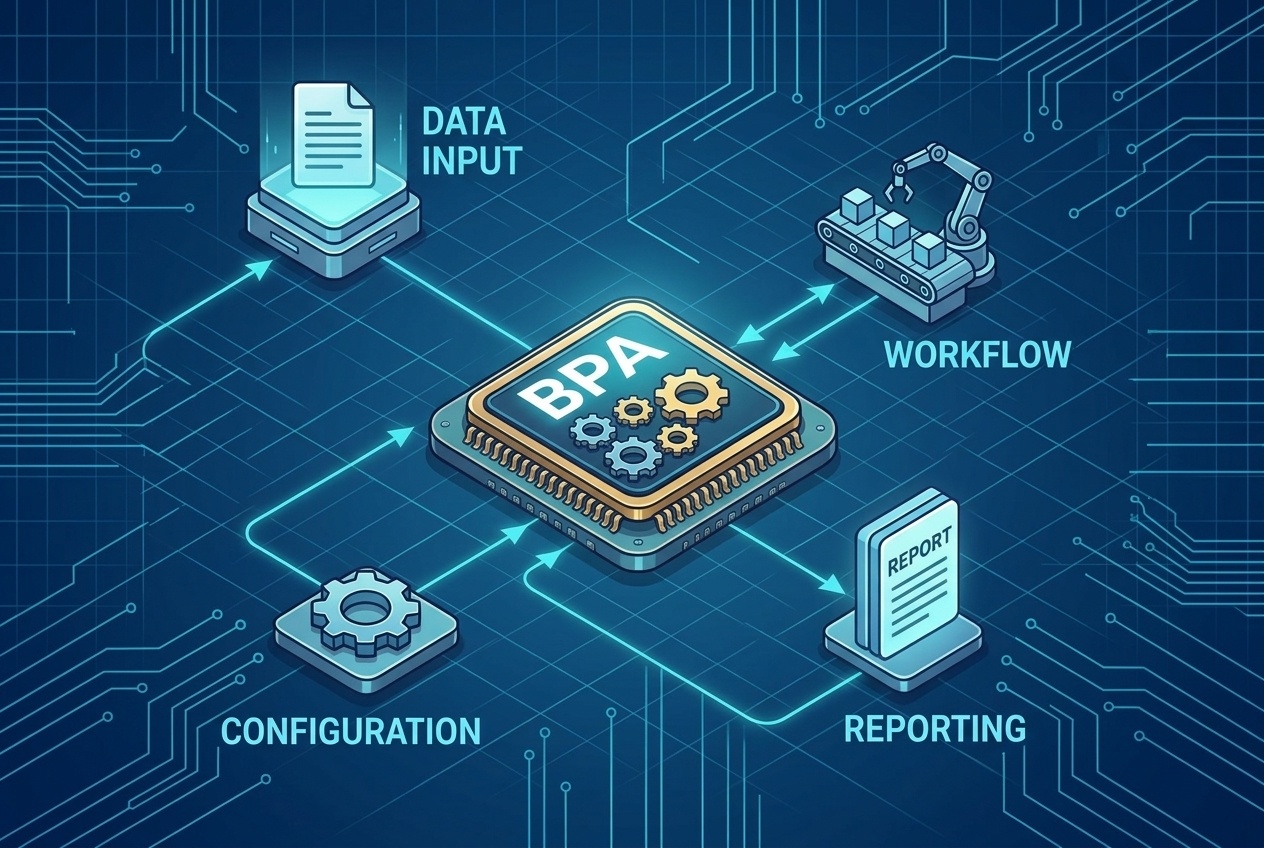
Business Process Automation (BPA) is the strategic use of technology to automate complex, multi step business operations, allowing organizations to eliminate repetitive tasks, reduce operational costs, and minimize human error. By seamlessly connecting disparate software systems and streamlining daily workflows such as customer onboarding, invoice processing, and lead management BPA empowers companies to execute tasks faster and with greater accuracy. Beyond operational efficiency, implementing automated processes provides real-time tracking, ensures strict compliance, and frees up valuable time for employees to focus on high-impact, strategic initiatives. Ultimately, adopting BPA enables modern businesses to scale their operations effortlessly and stay highly competitive in today’s digital landscape.
How BPA Cuts Costs and Boosts Efficiency
Implementing Business Process Automation (BPA) directly transforms a company’s bottom line by optimizing resources and eliminating operational bottlenecks. By shifting repetitive, manual tasks such as data entry, invoice processing, and report generation—to automated digital workflows, organizations significantly reduce labor expenses and minimize costly human errors. Beyond direct financial savings, BPA drastically speeds up execution times, turning multi-day processes into instant operations. This increase in operational velocity enhances overall accuracy, improves customer satisfaction, and enables employees to redirect their focus toward high-value, revenue generating strategies.
Top 5 Processes to Automate First
When adopting automation, focusing on high-impact, repetitive operational areas yields the fastest return on investment. The top five processes businesses should automate first include customer onboarding, invoice and billing management, lead tracking, employee onboarding, and routine data reporting. Automating customer onboarding accelerates user conversion and sets a professional tone, while automated billing ensures timely payments and fewer accounting errors. Streamlining lead tracking prevents sales opportunities from slipping through the cracks, and automated HR workflows simplify employee document collection. Finally, automated reporting instantly compiles operational insights, freeing leadership from tedious manual data assembly and allowing them to make faster, data-driven decisions.
BPA vs. RPA: Key Differences
While both technologies drive digital transformation, Business Process Automation (BPA) and Robotic Process Automation (RPA) address operational efficiency at different scales. BPA focuses on broad, end-to-end organizational workflows by restructuring and connecting complex multi-step processes across various systems. In contrast, RPA targets specific, repetitive, rule-based tasks such as copying data from spreadsheets or filling out legacy forms by using software “bots” to mimic human UI interactions. In short, RPA automates discrete tasks without changing underlying systems, whereas BPA redesigns entire operational ecosystems for long-term scalability. Combining both creates a fully optimized, modern digital workplace.
Smooth BPA Implementation Guide
Successfully integrating Business Process Automation (BPA) requires a structured approach that aligns technology with human workflows without causing operational friction. The key to a seamless transition lies in starting small by automating clear, low risk processes before scaling across larger departments. Clear communication is essential; actively involving team members early in the planning phase reduces resistance and helps identify practical edge cases in daily tasks. Choosing flexible, user friendly automation tools with strong integration capabilities ensures your new systems connect smoothly with existing software. Finally, providing ongoing training and monitoring performance metrics allows your team to adapt comfortably, ensuring long-term adoption and maximum efficiency.
BPA Key Features:
Workflow Orchestration:
Seamlessly connects multiple software applications to execute complex, multi step business operations end to end.
Intelligent Document Processing:
Uses OCR and AI to automatically extract, validate, and route data from invoices, contracts, and forms.
Real-Time Analytics & Tracking:
Provides centralized dashboards to monitor active processes, track KPIs, and identify operational bottlenecks instantly.
Role-Based Access Control:
Ensures strict compliance and security by restricting system access based on user roles and permissions.
Custom Integration Capabilities:
Connects existing legacy systems and modern cloud applications via APIs for smooth data exchange.
Automated Audit Trails:
Keeps detailed digital records of every step executed within a workflow for effortless compliance and reporting.
BPA Final Thoughts:
Adopting Business Process Automation (BPA) is no longer just an option for forward-thinking organizations it is a core strategy for modern growth. By converting repetitive, manual tasks into streamlined, digital workflows, businesses lower operational costs, eliminate human error, and dramatically increase output speed. As AI driven automation continues to evolve, companies that build a scalable automation strategy today will be best positioned to innovate faster, improve customer experiences, and dominate their industries in 2026 and beyond.

Comments are closed